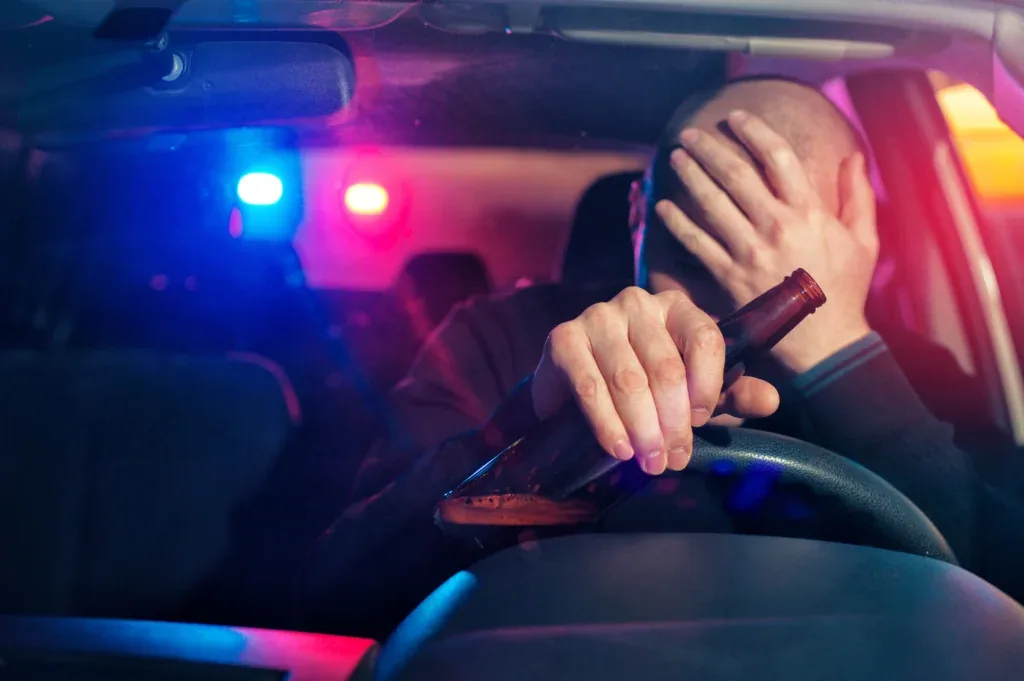

Being arrested for driving under the influence in Illinois sets in motion a series of legal proceedings that can impact your freedom, driving privileges, and future opportunities. At Vernsten Law, we understand that facing a DUI charge can be overwhelming, especially when you're unsure about what happens after a DUI arrest in Illinois. The process involves multiple stages, strict deadlines, and decisions that can significantly affect the outcome of your case. Each step requires careful attention and strategic planning to protect your rights and minimize the potential consequences you face.
The Immediate Arrest Process
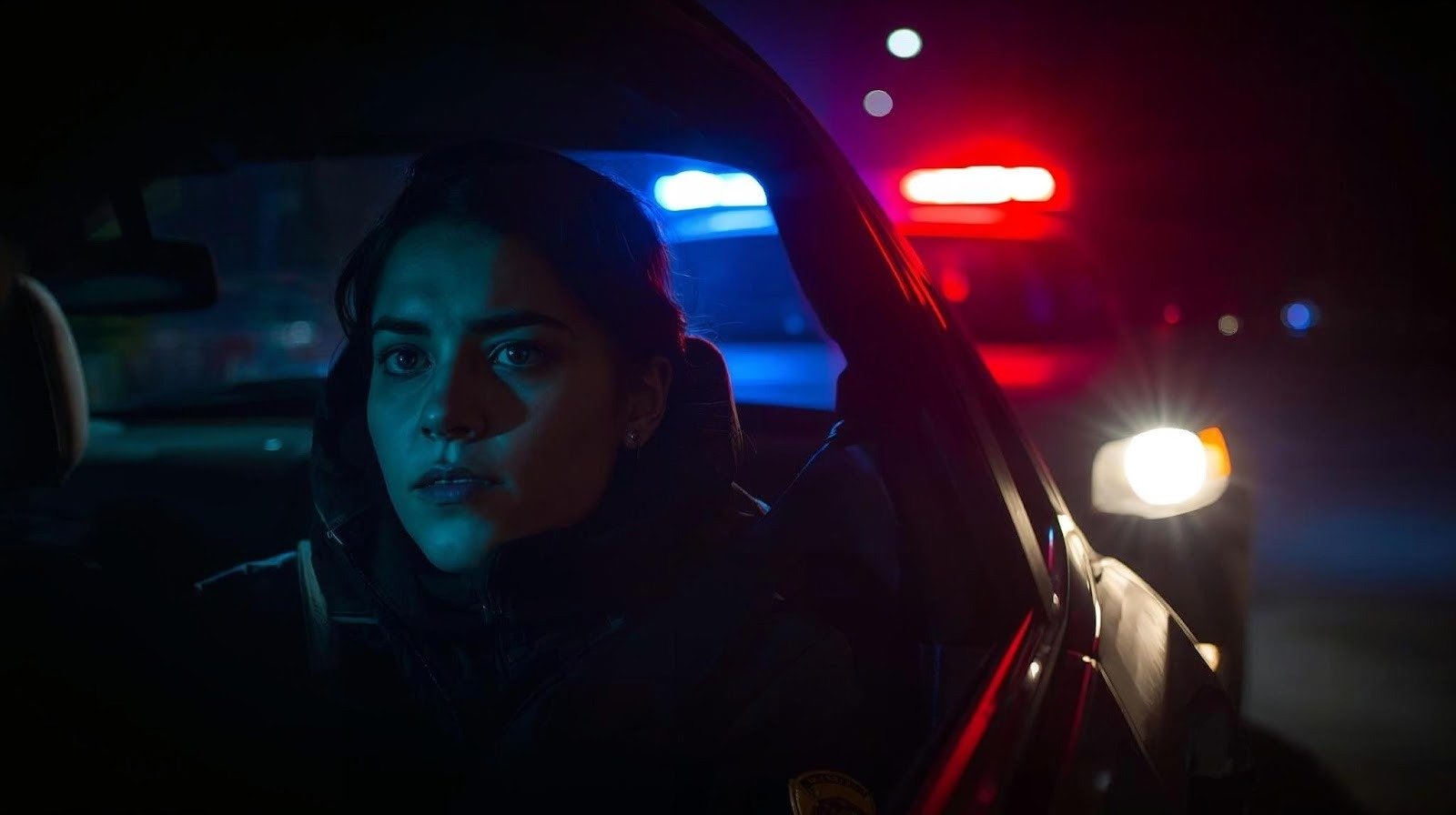
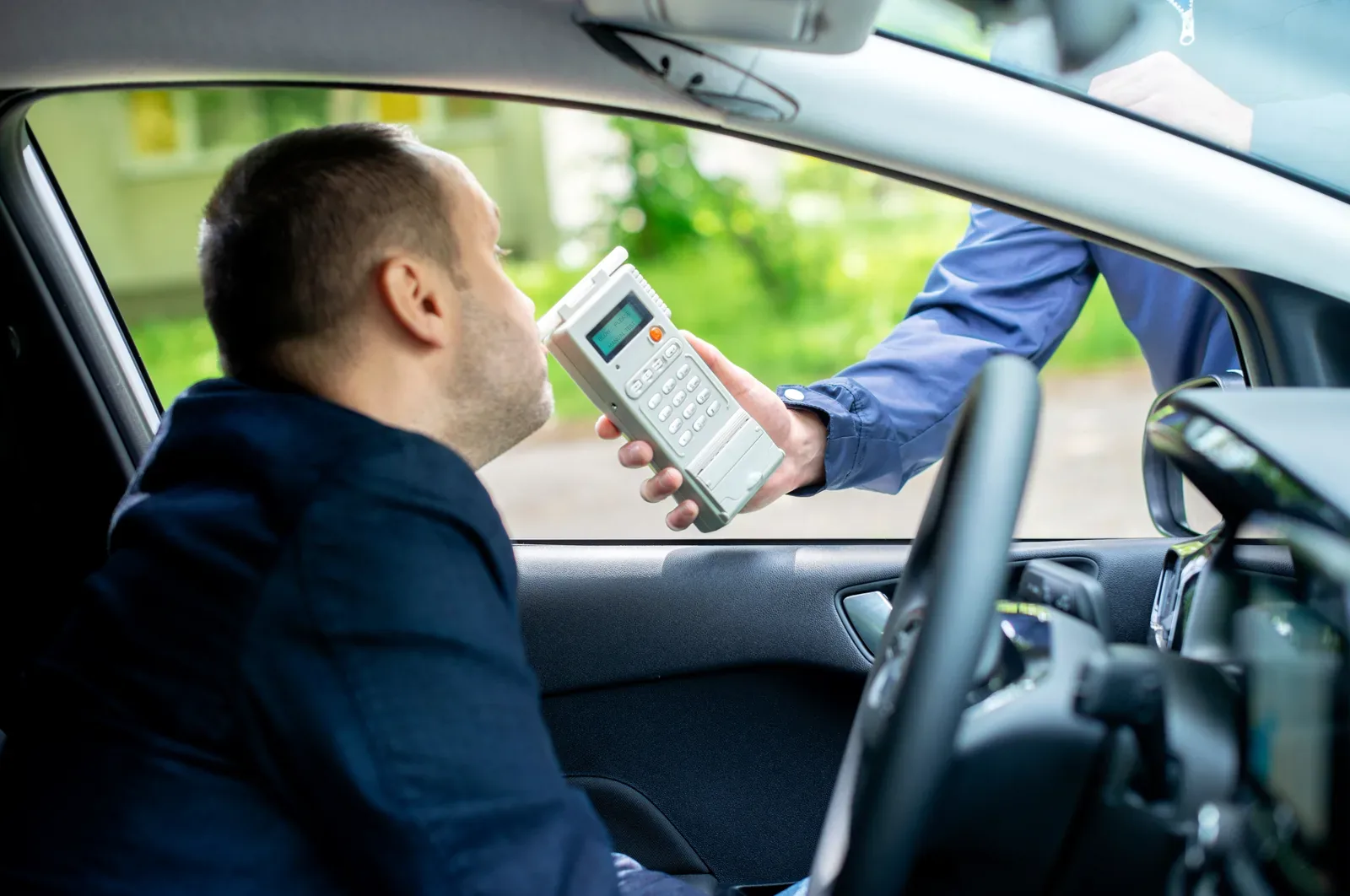
When an officer suspects you of driving under the influence in Illinois, they will typically conduct field sobriety tests and request a breathalyzer test. If the officer determines there is probable cause for arrest, you will be taken into custody. At this point, the officer will read you your rights, confiscate your driver's license, and transport you to the police station for booking.
During the booking process, law enforcement will take your fingerprints, photograph you, and collect your personal information. You may be asked to submit to additional chemical testing at the station, such as a blood or urine test. Illinois operates under implied consent laws, which means that by driving on Illinois roads, you have already consented to chemical testing if arrested for DUI. Refusing these tests triggers automatic administrative penalties separate from any criminal charges.
Administrative License Suspension
One of the most immediate consequences following a DUI arrest in Illinois is the administrative suspension of your driving privileges. This process begins automatically and operates independently of the criminal case. If you submitted to chemical testing and your blood alcohol concentration (BAC) was 0.08% or higher, your license faces a six-month suspension for a first offense. If you refused testing, the suspension extends to twelve months for a first offense.
The officer will issue you a receipt that serves as a temporary driving permit for 46 days. During this period, you have the critical opportunity to request a hearing to challenge the suspension. This hearing must be requested within 90 days of your arrest, but acting quickly provides more options for maintaining your driving privileges. At Vernsten Law, we help clients navigate this administrative process while simultaneously building their criminal defense strategy.
Initial Court Appearance and Arraignment
Your first court appearance, known as the arraignment, typically occurs within 30 days of your arrest. During this hearing, the judge will formally read the charges against you and ask you to enter a plea of guilty, not guilty, or no contest. Most defendants plead not guilty at this stage to preserve their right to challenge the evidence and negotiate with prosecutors.
The court will also address bond conditions during the arraignment. These conditions may include restrictions on alcohol consumption, mandatory attendance at alcohol education programs, or installation of an ignition interlock device. Violating these conditions can result in additional charges and complications in your case.
The Discovery Phase
Following your arraignment, the discovery phase begins. During this period, your attorney can request and review all evidence the prosecution intends to use against you. This includes police reports, dashcam footage, bodycam recordings, breathalyzer maintenance records, and witness statements. Our legal team at Vernsten Law meticulously examines every piece of evidence to identify weaknesses in the prosecution's case.
Discovery also provides opportunities to file pre-trial motions challenging the admissibility of evidence. Common challenges include questioning the legality of the traffic stop, the accuracy of chemical testing equipment, and whether proper procedures were followed during your arrest. Successfully challenging key evidence can lead to reduced charges or even case dismissal.
Pre-Trial Negotiations and Hearings
Most DUI cases in Illinois resolve through negotiation rather than trial. During pre-trial conferences, your attorney meets with prosecutors to discuss potential plea agreements. These negotiations consider factors such as your criminal history, the strength of the evidence, and any mitigating circumstances surrounding your arrest.
Pre-trial hearings also address various motions filed by both sides. These may include motions to suppress evidence, motions to compel discovery, or motions regarding expert witnesses. Each hearing provides an opportunity to strengthen your defense position and potentially improve the terms of any plea agreement.
Potential Outcomes and Sentencing
The resolution of your DUI case can take several forms, each with different consequences for your future. Understanding these potential outcomes helps you make informed decisions about your defense strategy.
| Outcome | Description | Typical Consequences |
|---|---|---|
| Case Dismissal | Charges dropped due to insufficient evidence or procedural errors | No criminal record, restoration of driving privileges |
| Plea to Reduced Charge | DUI reduced to reckless driving or similar offense | Lesser penalties, potentially no license suspension |
| Court Supervision | Special probation for first-time offenders | No conviction if completed, fines and classes required |
| Conviction | Found guilty of DUI | Criminal record, license revocation, fines, and possible jail time |
| Trial Acquittal | Found not guilty after trial | No criminal penalties, eligible for expungement of arrest record |
For first-time DUI offenders in Illinois, penalties typically include fines up to $2,500, possible jail time up to one year, and mandatory completion of alcohol education programs. Aggravating factors such as high BAC levels, accidents, or having minors in the vehicle can significantly increase these penalties.
License Reinstatement Process
Regaining your driving privileges after a DUI involves several steps and requirements. For first-time offenders, you may be eligible for a Monitoring Device Driving Permit (MDDP), which allows you to drive with an installed Breath Alcohol Ignition Interlock Device (BAIID). This device requires you to provide a breath sample before starting your vehicle and periodically while driving.
To fully reinstate your license after the suspension period, you must complete all court-ordered requirements, pay reinstatement fees, and potentially complete a drug and alcohol evaluation. Some cases require attendance at a formal hearing with the Secretary of State's office to demonstrate your commitment to safe driving.
Long-Term Consequences
A DUI conviction in Illinois creates consequences that extend far beyond the immediate legal penalties. Your auto insurance rates will likely increase significantly, sometimes doubling or tripling for several years. Employment opportunities may be limited, particularly for positions requiring driving or professional licenses. The conviction remains on your criminal record permanently unless you qualify for and successfully petition for expungement or sealing.
Professional licenses in fields such as healthcare, education, or commercial driving face additional scrutiny. Some professional boards require disclosure of DUI convictions and may impose separate disciplinary actions. International travel can also become complicated, as some countries deny entry to individuals with DUI convictions.
Common DUI Defense Strategies in Illinois
Understanding the defense strategies available in Illinois DUI cases can help you work more effectively with your attorney and set realistic expectations for your case outcome. At Vernsten Law, we evaluate every aspect of your arrest to identify the strongest defense approach for your specific situation.
One of the most effective defense strategies involves challenging the initial traffic stop. Police officers must have reasonable suspicion to pull you over, such as observing a traffic violation or erratic driving behavior. If we can demonstrate that the officer lacked proper justification for the stop, all evidence obtained afterward may be excluded from your case. This includes field sobriety test results, chemical test results, and any statements you made during the arrest.
The accuracy and administration of field sobriety tests present another avenue for defense. These tests must be conducted according to standardized procedures established by the National Highway Traffic Safety Administration. Factors such as uneven road surfaces, poor lighting, medical conditions, or improper instructions can all affect test performance. We scrutinize dashcam and bodycam footage to identify any deviations from proper testing protocols that could invalidate the results.
Chemical test reliability forms a crucial component of many successful defenses. Breathalyzer machines require regular calibration and maintenance to produce accurate results. We examine maintenance logs, certification records, and testing procedures to identify potential errors. Blood tests must follow strict chain of custody protocols, and delays in testing can affect accuracy due to fermentation or contamination. Even seemingly minor procedural violations can create reasonable doubt about the reliability of test results.
Medical conditions and environmental factors can also provide legitimate explanations for symptoms that officers interpret as intoxication. Conditions such as diabetes, acid reflux, or neurological disorders can produce symptoms similar to alcohol impairment or affect chemical test results. Recent dental work, certain medications, or exposure to chemicals in the workplace may also impact breathalyzer readings. Our team works with medical experts when necessary to demonstrate how these factors may have influenced your arrest.
The observation period before chemical testing represents another critical area for defense challenges. Illinois law requires officers to observe suspects for 20 minutes before administering a breath test to ensure they don't burp, regurgitate, or consume anything that could affect the results. Failure to properly conduct this observation period can render test results inadmissible. We carefully review arrest videos and police reports to verify compliance with this requirement.
Why Choose Vernsten Law for Your DUI Defense
At Vernsten Law, we bring over a decade of legal experience and a proven track record in DUI defense throughout Illinois. Our attorney's background as a former prosecutor in Winnebago County provides unique insights into how the state builds its cases and where vulnerabilities exist. We have successfully defended hundreds of DUI cases, achieving favorable outcomes through aggressive representation and strategic defense planning.
We understand that every DUI case is unique, requiring personalized attention and customized defense strategies. Our commitment extends beyond the courtroom – we guide clients through the administrative license suspension process, help minimize insurance impacts, and work to protect professional licenses and career opportunities. With our 95% case success rate and dedication to client service, we provide the experienced representation you need during this challenging time.
Our approach combines thorough investigation, strategic negotiation, and, when necessary, aggressive trial advocacy. We maintain strong relationships with local prosecutors and judges while never compromising our commitment to achieving the best possible outcome for each client. When you work with Vernsten Law, you benefit from our extensive knowledge of Illinois DUI law and our unwavering dedication to protecting your rights and future.
Key Takeaways: Navigating Your Illinois DUI Case
Understanding the DUI process in Illinois empowers you to make informed decisions and take timely action to protect your rights. The most critical steps include requesting an administrative hearing within 90 days to challenge your license suspension, attending all court appearances, and complying with bond conditions. Working with an experienced DUI attorney from the beginning ensures that evidence is properly challenged, deadlines are met, and all available defenses are explored. Remember that each case presents unique circumstances and opportunities for defense, and the decisions you make immediately after arrest can significantly impact your case outcome. With proper legal representation and a strategic approach, many individuals successfully minimize or avoid the harsh consequences associated with DUI charges in Illinois.
Take Action to Protect Your Future Today
If you're facing a DUI charge in Illinois, the decisions you make now will impact your life for years to come. Don't navigate this complex legal process alone. Contact Vernsten Law today for a free consultation to discuss your case and explore your defense options. Our experienced team is ready to fight for your rights, protect your driving privileges, and work toward the best possible outcome in your case. Time is critical in DUI cases – reach out now to ensure your rights are protected from the start.