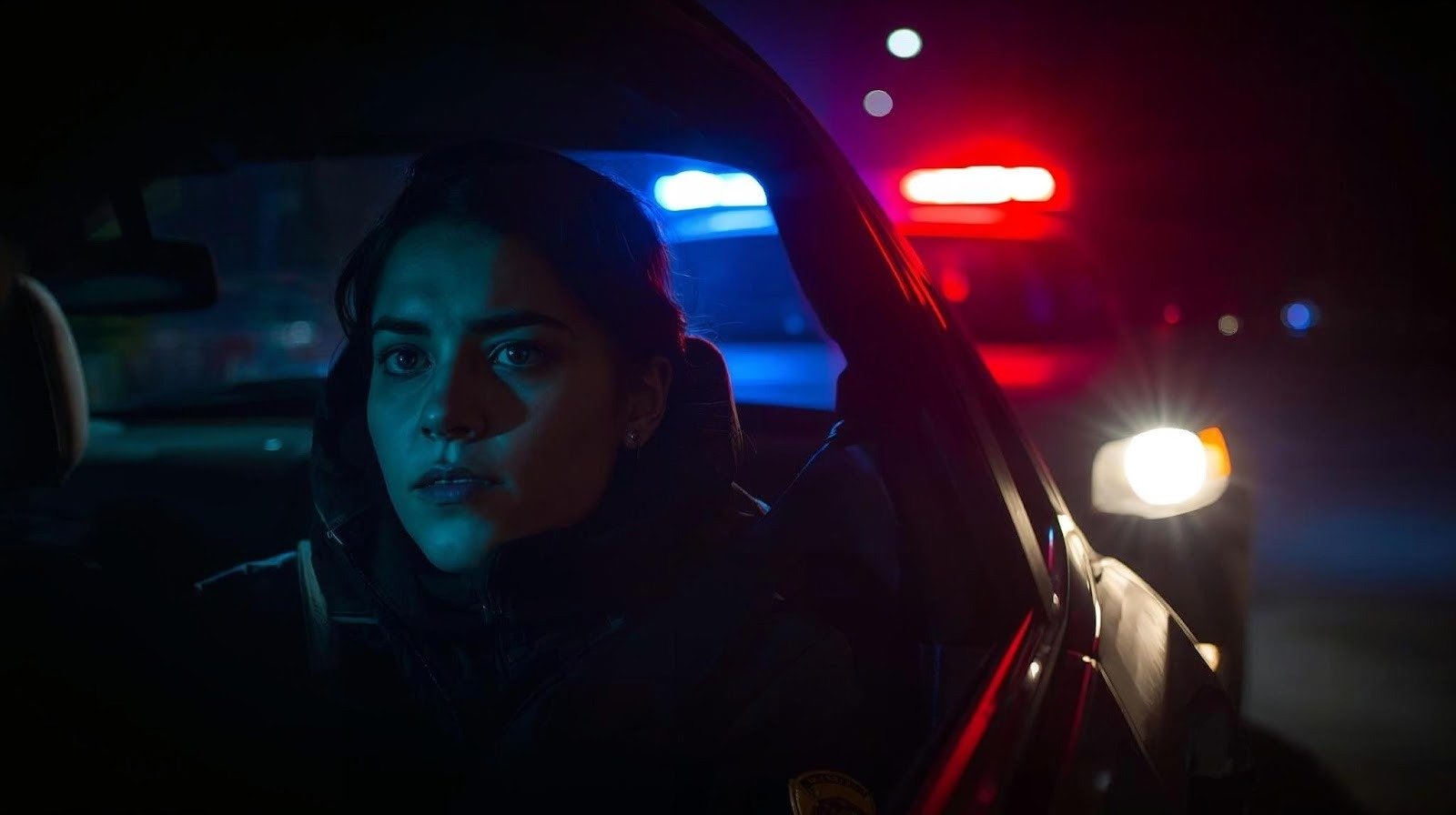


Why Illinois DUI checkpoints can be constitutional
A checkpoint stops drivers without the individualized suspicion normally required for a traffic stop. The U.S. Supreme Court addressed that tension in Michigan Department of State Police v. Sitz. The Court considered the state's interest in preventing impaired driving, the extent to which the checkpoint program advanced that interest, and the degree of intrusion on motorists. It held that the Michigan program did not violate the Fourth Amendment.
Sitz does not make every checkpoint automatically lawful. Courts still examine reasonableness, including the operation's plan, the limits on officer discretion, and the intrusion on motorists.
What makes a checkpoint reasonable
Checkpoint review is fact-specific. Courts may consider whether the operation limited arbitrary officer discretion and kept the initial intrusion brief.
Relevant details can include:
- Whether supervisory personnel selected the location, time, and operating plan
- Whether officers used a neutral pattern, such as stopping every vehicle or vehicles in a predetermined sequence
- Whether signs, lighting, cones, and officer positioning made the stop visible and reasonably safe
- How long motorists were held during the initial contact
- Whether officers followed the plan instead of selecting drivers on an improvised basis

These considerations do not form a simple pass-or-fail checklist. An attorney reviewing a checkpoint arrest may seek the written plan, supervisor instructions, officer reports, video, stop pattern, timing records, and other evidence showing how the operation worked.
What happens during the initial stop
An officer may direct a selected vehicle to stop, request required driving documents, ask brief questions, and observe the driver. The officer may look for facts such as an odor, speech or coordination issues, open containers, or admissions.
The initial checkpoint stop should remain limited to its lawful purpose. Officers generally need reasonable suspicion to extend the detention. A vehicle search requires lawful authority such as consent, a warrant, or a recognized exception, while an arrest generally requires probable cause.
What rights do drivers keep at a checkpoint?
Drivers should slow down, obey traffic-control directions, keep the encounter calm, and provide legally required identification and vehicle documents. A checkpoint does not erase constitutional protections.
Questions and vehicle searches
Police may ask where you were, where you are going, or whether you consumed alcohol or another substance. You can state calmly that you prefer not to answer potentially incriminating questions. Avoid arguing, making a false statement, or physically interfering with the stop.
A checkpoint stop does not by itself authorize a vehicle search. An officer may ask for consent. You can clearly decline consent, although police may still conduct a search when a warrant or a recognized exception provides legal authority. Do not physically resist. Record the details later and let counsel evaluate the search.
Can you turn around before a checkpoint?
A driver may make a lawful turn before reaching a checkpoint. The turn must comply with traffic laws and be made safely. Police may still stop the vehicle if they observe a violation or other facts that provide a legal basis.
In People v. Timmsen, 2016 IL 118181, the Illinois Supreme Court held that a separate stop was supported by reasonable suspicion when a driver made a lawful U-turn about 50 feet before a well-marked roadblock in the early morning. The court rejected a bright-line rule. Lawful avoidance is one factor in the totality of the circumstances and neither automatically justifies nor automatically prevents a stop.
Field sobriety and breath tests are different
Field sobriety exercises and roadside preliminary breath screening may help officers decide whether there is a basis for arrest. Post-arrest evidentiary breath, blood, or urine testing follows a different legal framework, including Illinois's implied-consent statute.
Illinois's implied-consent statute addresses post-arrest chemical testing and possible driver's-license consequences. The requested test, warnings, result or refusal, arrest basis, and case facts can affect what follows, so review the current statute and the notice with counsel.
For a focused explanation, read Vernsten Law's guide to Illinois breath-test refusals. The test requested, the timing, the warnings, the arrest basis, and the driver's prior record can change the analysis.

What to do after a checkpoint arrest or citation
Write down what happened while the details remain fresh. Keep the citation, complaint, bond or release papers, driver's license notice, testing paperwork, and warnings. Record the location, time, lane, wait, stopping sequence, officer questions or instructions, and witness contact details. Preserve any lawfully recorded dash-camera or phone footage without editing or deleting it.
An attorney can compare those facts with the checkpoint plan, the basis for any extended detention, the search, the testing process, and the arrest. Vernsten Law also explains what happens after an Illinois DUI arrest.
Get case-specific advice after a Rockford checkpoint arrest
The legality of a checkpoint does not answer every issue in an individual DUI case. A reasonable checkpoint can still be followed by a disputed detention, search, test, or arrest. A flawed operation also does not guarantee suppression, dismissal, or restoration of driving privileges.
Vernsten Law provides DUI defense in Rockford. Bring the complete set of papers and a factual timeline to a consultation so an attorney can review the checkpoint and the events that followed. You can contact Vernsten Law to request a case-specific consultation.
Sources
- Oyez: Michigan Department of State Police v. Sitz
- Supreme Court of Illinois: People v. Timmsen, 2016 IL 118181
- Illinois General Assembly: 625 ILCS 5/11-501.1